




Excavator Sensor
Excavator Sensor
Anyone who spends time troubleshooting construction equipment knows how much trouble small sensor parts can cause. You might not notice them day to day, but once one starts wearing out, odd little issues begin popping up one after another. On job sites with nonstop vibration, drastic temperature swings and thick dust buildup, these delicate electronic components take constant abuse, and wear out much faster than people expect. Two of the most common replacements we come across are Excavator Hydraulic Pressure Sensor and Excavator Engine Speed Sensor, both essential types of Excavator Sensor that directly impact how a machine runs.

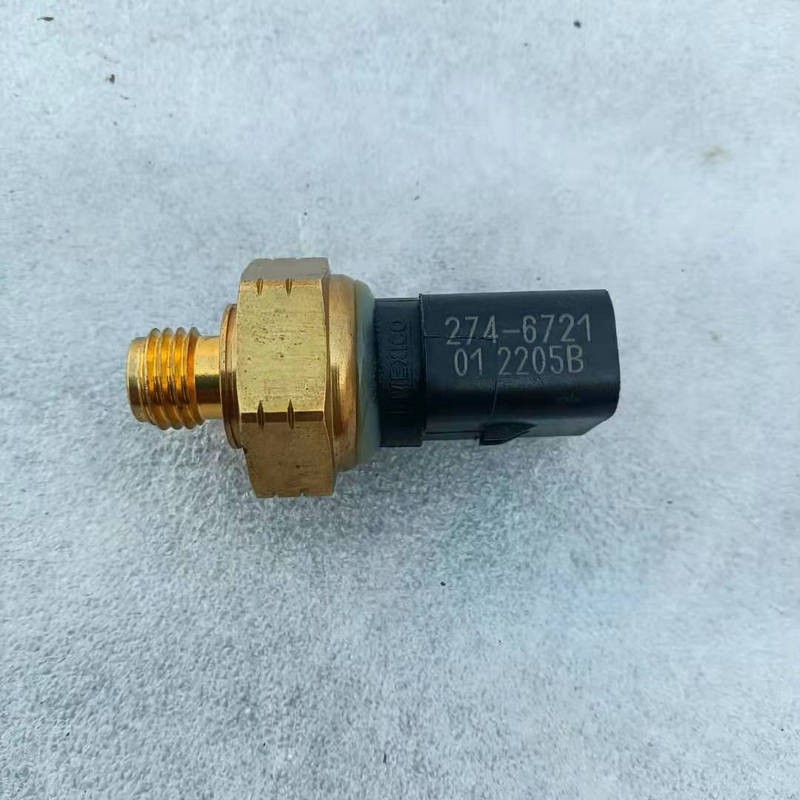
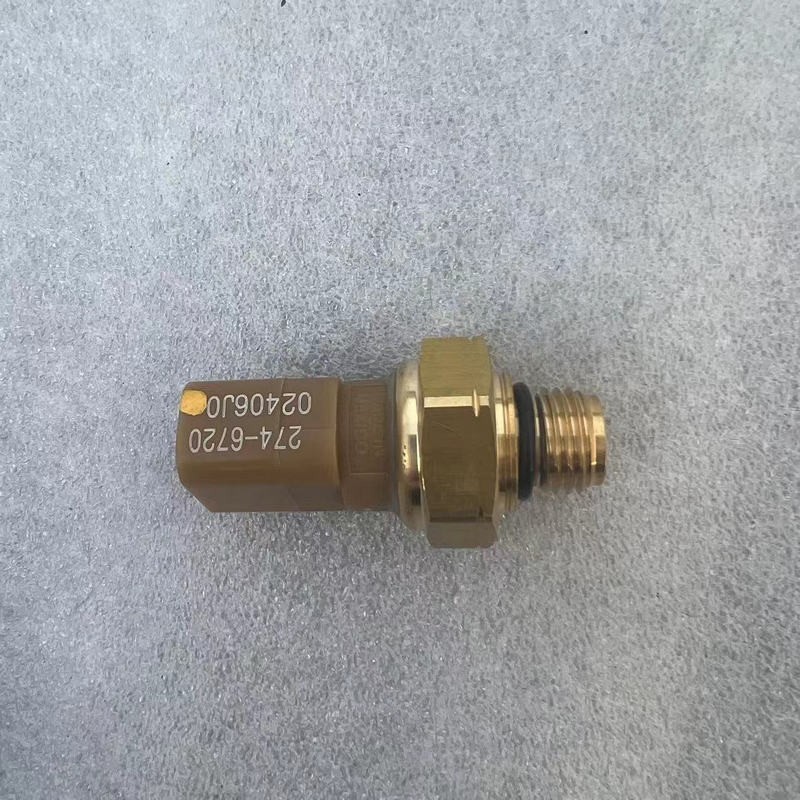
I've seen many Hyundai wheel loaders develop lazy hydraulic movement over time. Operators often mention slow boom reaction, random pressure spikes, or a jerky feel when holding load steadily. Most just adjust operating habits to work around it, instead of checking the pressure sensor first. Gradual signal drift happens slowly, caused by long-term vibration and aging internal elements. It is not an obvious breakdown at first, which makes it easy to ignore for months.
The part numbered 31Q4-40800 regularly comes up when repairing HL730-9, HL730-9A, HL730-9S, HL730TM-9, HL730TM-9A and HL740-9 units. When replacing this piece on site, the biggest issue we run into is mismatched connector pin layouts and thread depth. Generic aftermarket options often look identical from the outside, yet fail to transmit accurate pressure data after installation. Machines working long shifts outdoors are extra sensitive to this kind of subtle signal error.

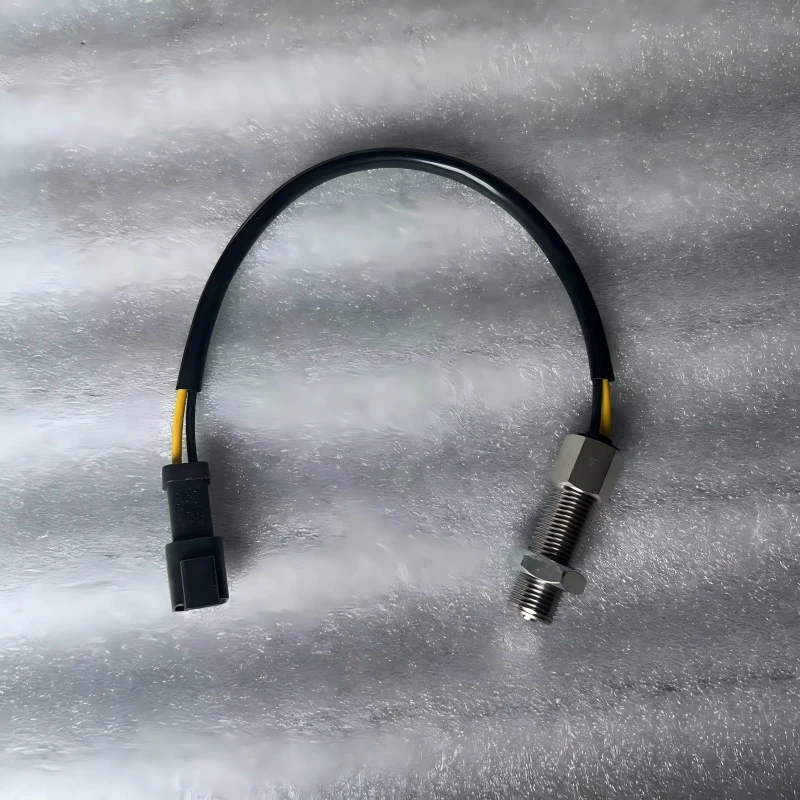
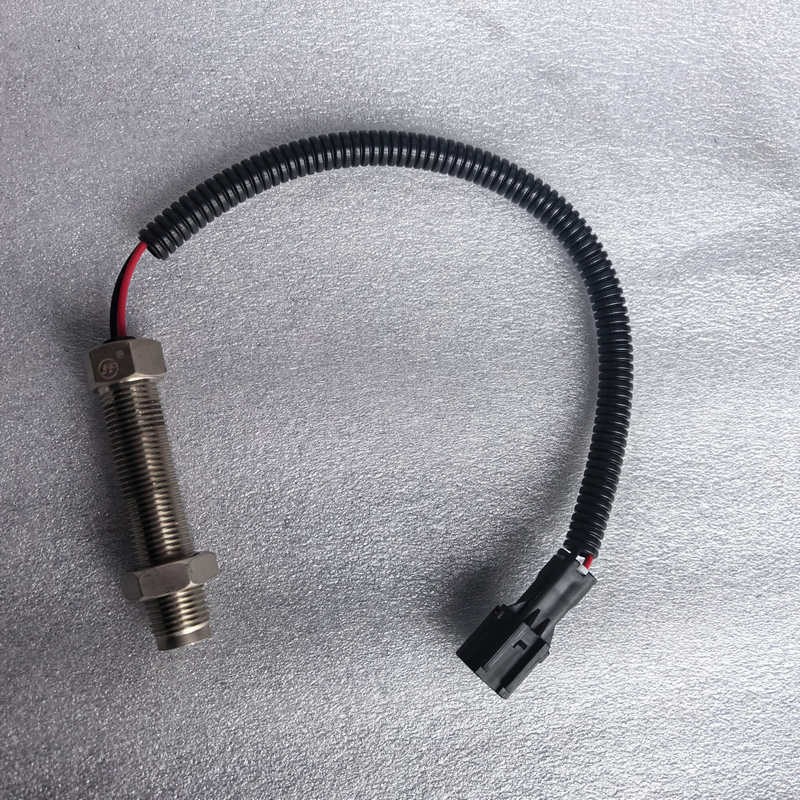
CAT 320B owners deal with a different set of common sensor troubles. Cold morning starts, shaky idle speed, and sudden power drop while digging are classic signs related to speed detection. The Excavator Engine Speed Sensor reads rotation from the flywheel housing, and once its signal becomes intermittent, the engine control system cannot time fuel delivery correctly. I've met mechanics who spent hours checking injectors and pumps, only to find the real issue was simply a worn sensor with frayed internal wiring.
Marked as 125-2966, this speed sensor is built to fit the installation position of the 320B. In actual field work, the area around this part sits close to high-heat engine components, which speeds up wire aging and seal hardening over years of use. Simple in appearance, this small part directly affects overall running smoothness, especially during heavy-load cycles and long continuous operation.

Most equipment teams only replace parts after total failure, which always leads to larger repair costs later. Small sensor faults never fix themselves. Slow hydraulic response, unstable engine RPM, and intermittent system alerts are early warning signs, worth a quick inspection during routine maintenance checks.
When sourcing replacement Excavator Sensor parts, matching the original part number remains the most reliable way to avoid unnecessary on-site delays. Minor factory configuration differences between machine batches can affect installation, so cross-referencing original markings always helps prevent repeated disassembly and trial fitting.


Hot Tags: excavator sensor, China excavator sensor suppliers, Excavator Electrical Control Relay, Excavator Engine Wiring Harness, Excavator Hydraulic Solenoid Valve, Excavator Main Wiring Harness, Excavator Starter Motor Control Relay, Excavator Wiring Harness
You Might Also Like


Send Inquiry