


Original components are parts produced and supplied by the original equipment manufacturer, with design, materials, manufacturing processes, and performance that fully comply with factory standards. They play a central role in ensuring equipment operation, performance reliability, and safety, making it essential to define their basic characteristics requirements.
First, original components must demonstrate high reliability and stability. As parts supplied by the original manufacturer, their functionality, performance, and service life must fully meet design specifications and maintain stable operation under all working conditions. Critical performance indicators such as wear resistance, strength, precision, and fatigue resistance must be rigorously verified to ensure long-term efficient operation of the equipment.
Second, original components should ensure consistency and interchangeability. Each batch should adhere to strict manufacturing processes and quality control systems, guaranteeing uniformity in dimensions, materials, and performance. This ensures that components can be directly replaced during maintenance or part replacement without affecting equipment performance or causing malfunctions.
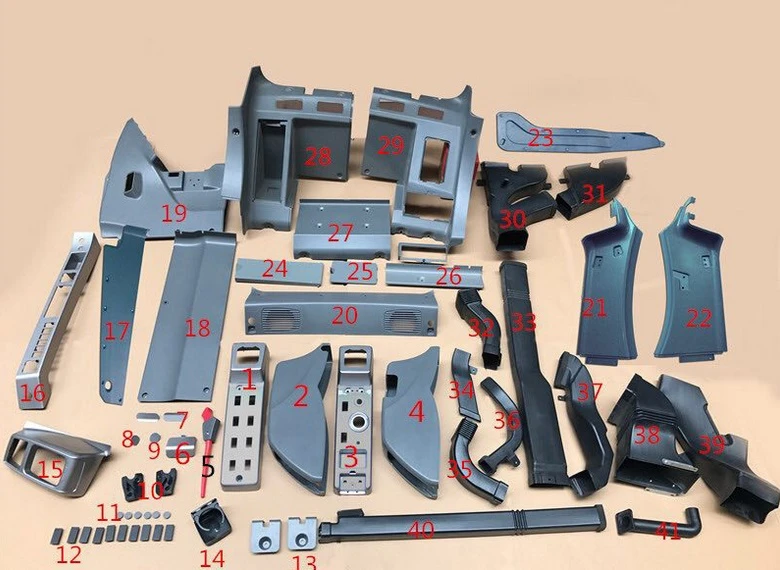
In addition, original components should feature a complete traceability system. Manufacturers must provide clear product identification numbers, production dates, batch numbers, and quality inspection reports, allowing every part to be traced back to its origin and manufacturing process. This not only facilitates quality management but also enhances user confidence in product reliability.
Original components must also comply with relevant technical standards and regulations. Whether national standards, industry norms, or internal corporate specifications, the design and manufacturing of original components must strictly follow these requirements to ensure safety, environmental compliance, and compatibility with the complete system. For parts related to critical safety functions, certification and testing by authoritative organizations are essential.
In summary, the basic characteristics of original components include high reliability, stability, consistency, interchangeability, complete traceability, and compliance with standards. Defining these requirements helps ensure equipment safety and performance, while providing a solid foundation for enterprise management, maintenance decisions, and user confidence.


