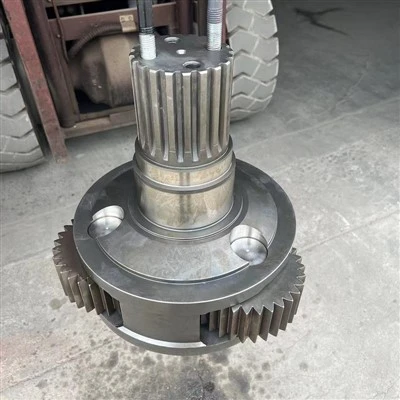
Sensor failure can have far - reaching and detrimental impacts on an excavator's operation. As an excavator sensor supplier, I've witnessed firsthand how these sensors play a crucial role in the proper functioning of excavators.
1. Understanding the Role of Sensors in Excavators
Excavators are complex machines that rely on a multitude of sensors to operate efficiently and safely. These sensors are responsible for monitoring various parameters such as pressure, temperature, position, and level. For instance, pressure sensors are used to measure the hydraulic pressure in the excavator's cylinders, which is essential for controlling the movement of the boom, arm, and bucket. Temperature sensors ensure that the engine and hydraulic systems do not overheat, preventing potential damage. Position sensors help in accurately positioning the excavator's attachments, enabling precise digging and loading operations.
2. Immediate Impact on Operational Performance
2.1 Decreased Efficiency
When a sensor fails, it can lead to a significant decrease in the excavator's efficiency. For example, if the position sensor fails, the operator may have difficulty in accurately positioning the bucket, resulting in longer digging cycles. This not only slows down the work but also increases fuel consumption as the machine has to work harder to achieve the same results. A malfunctioning pressure sensor can cause the hydraulic system to operate at incorrect pressures, leading to sub - optimal movement of the excavator's components.
2.2 Safety Risks
Safety is a top priority in any construction site, and sensor failures can pose serious risks. A temperature sensor failure in the engine can cause the engine to overheat without the operator's knowledge. This can lead to engine damage, breakdowns, and in extreme cases, even fires. Similarly, a failure in the level sensor of the hydraulic fluid can result in the hydraulic system running dry, causing damage to the pumps and valves. The Excavator Switch also plays a role in safety, as it can be used to control various functions of the excavator, and if sensors related to its proper operation fail, it may not work as intended.
3. Long - Term Consequences for the Excavator
3.1 Component Damage
Continuous operation with a failed sensor can lead to severe damage to the excavator's components. Consider a situation where the pressure sensor in the hydraulic system is faulty. The hydraulic cylinders may be exposed to excessive pressure, leading to premature wear and tear of seals and pistons. Over time, this can result in hydraulic leaks, which are not only expensive to repair but can also contaminate the environment. In addition, malfunctioning sensors can cause the engine to operate under abnormal conditions, accelerating the deterioration of engine parts.
3.2 Increased Maintenance Costs
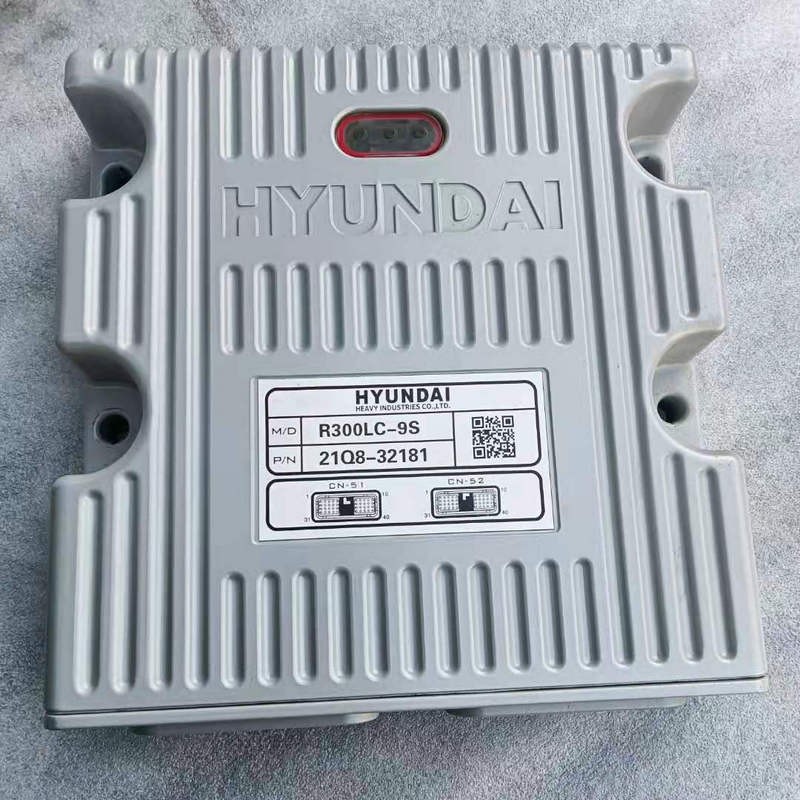
Sensor failures can also lead to a significant increase in maintenance costs. When a sensor fails, it often requires immediate replacement to prevent further damage to the machine. Moreover, the associated repairs due to the damage caused by the sensor failure can be quite costly. For example, if a failed temperature sensor causes engine overheating and damage, the repair may involve replacing the engine block, pistons, and other expensive components. The Excavator ECU Controller is an important part of the excavator's control system, and sensor malfunctions can affect its performance, leading to additional diagnostic and repair work.
4. Impact on Construction Projects
4.1 Project Delays
An excavator with a sensor failure can cause significant delays in construction projects. Since excavators are often at the forefront of earth - moving and digging operations, any downtime due to sensor failures can disrupt the entire project schedule. Other construction activities that depend on the excavator's work, such as foundation laying and trench digging, cannot proceed until the excavator is back in operation. This can lead to missed deadlines and potential financial losses for the construction company.
4.2 Cost Overruns
Project delays due to sensor - related excavator failures can also result in cost overruns. Construction projects have tight budgets, and any unforeseen delays can cause additional expenses such as labor costs for idle workers, extended equipment rental fees, and possible penalty clauses for missed deadlines. Additionally, the cost of repairing the excavator and replacing the failed sensors adds to the overall project cost.
5. Preventive Measures and the Importance of Quality Sensors
5.1 Regular Maintenance and Inspection
To minimize the risk of sensor failures, regular maintenance and inspection are essential. Excavator operators should follow a strict maintenance schedule that includes checking the sensors for proper functioning. This can involve visual inspections, testing the sensor outputs, and cleaning the sensors to prevent dirt and debris from interfering with their operation.
5.2 Using High - Quality Sensors
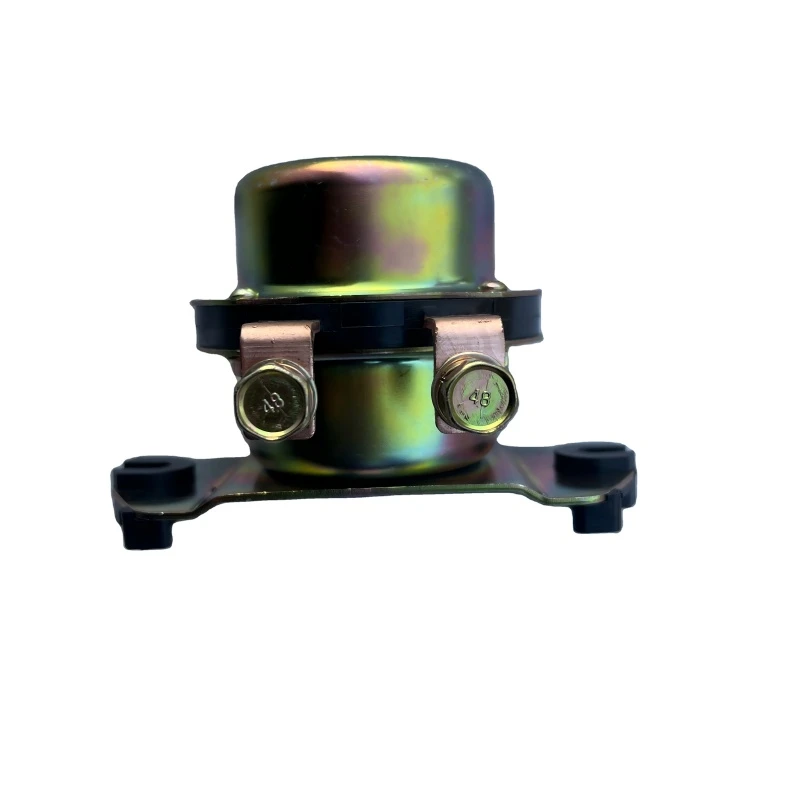
As an excavator sensor supplier, I strongly advocate for the use of high - quality sensors. Inferior sensors are more likely to fail, leading to the problems discussed above. High - quality sensors are designed to withstand the harsh operating conditions of an excavator, such as high temperatures, vibrations, and exposure to dust and moisture. They also provide more accurate and reliable readings, ensuring the efficient and safe operation of the excavator. The Excavator Electrical Relay, Excavator Monitor Display Panel, and Excavator Solenoid Valve are all integral parts of the excavator's electrical and hydraulic systems, and using high - quality sensors in conjunction with these components can enhance the overall performance of the machine.
6. Conclusion and Call to Action
In conclusion, sensor failure can have a profound impact on an excavator's operation, from immediate performance degradation and safety risks to long - term component damage and costly project delays. As an excavator sensor supplier, I understand the importance of reliable sensors in ensuring the smooth and efficient operation of excavators.
If you are in the market for high - quality excavator sensors, we are here to help. Our sensors are designed to meet the highest industry standards and are rigorously tested to ensure reliability and accuracy. Contact us for a consultation and let's discuss how our products can enhance the performance of your excavators and prevent the costly consequences of sensor failures.
References
- Smith, J. (2018). "Hydraulic Systems in Construction Equipment". Construction Machinery Journal.
- Johnson, A. (2020). "Sensor Technology for Heavy - Duty Equipment". Industrial Sensors Review.
- Brown, C. (2019). "Maintenance Best Practices for Excavators". Equipment Maintenance Magazine.