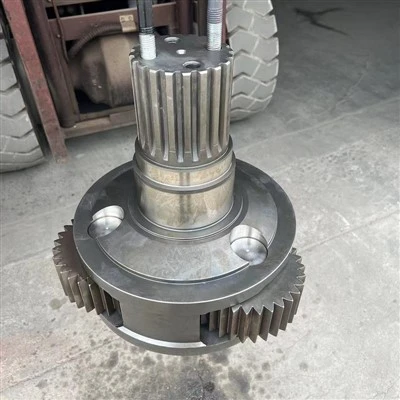
Diagnosing problems with an excavator engine crankshaft is a crucial skill for anyone involved in the maintenance and operation of these powerful machines. As a trusted supplier of Excavator Engine Crankshaft, I understand the complexity of these components and the importance of accurate diagnosis. In this blog post, I will share some insights and practical steps on how to diagnose issues with an excavator engine crankshaft.
Understanding the Role of the Crankshaft
The crankshaft is a vital part of the excavator engine. It converts the reciprocating motion of the pistons into rotational motion, which is then used to drive the machinery. A well - functioning crankshaft is essential for the smooth operation of the engine, and any problems can lead to a significant decrease in performance or even engine failure.
Common Symptoms of Crankshaft Problems
Before delving into the diagnostic process, it's important to be aware of the common symptoms that may indicate a problem with the crankshaft.
- Abnormal Engine Noise: A knocking or rattling noise from the engine can be a sign of a problem with the crankshaft. This noise is often caused by excessive wear or damage to the crankshaft bearings. The knocking sound may become more pronounced as the engine speed increases.
- Vibration: Excessive vibration in the engine or the excavator itself can also be an indication of a crankshaft issue. A misaligned or damaged crankshaft can cause uneven rotational forces, leading to vibrations that can be felt throughout the machine.
- Reduced Power and Performance: If the excavator seems to be losing power or has a reduced ability to perform heavy - duty tasks, a crankshaft problem could be the culprit. A damaged crankshaft may not be able to transfer the power from the pistons effectively, resulting in a decrease in overall performance.
- Oil Pressure Issues: Low oil pressure can sometimes be related to a problem with the crankshaft. Worn - out crankshaft bearings can cause excessive oil leakage, which reduces the oil pressure in the engine. This can lead to further damage to the engine components if not addressed promptly.
Step - by - Step Diagnostic Process
Visual Inspection
The first step in diagnosing a crankshaft problem is to conduct a visual inspection. This involves removing the engine covers and visually examining the crankshaft and its associated components. Look for signs of wear, such as scoring, pitting, or cracks on the surface of the crankshaft. Check the crankshaft bearings for signs of damage or excessive wear, including discoloration or flattened areas.
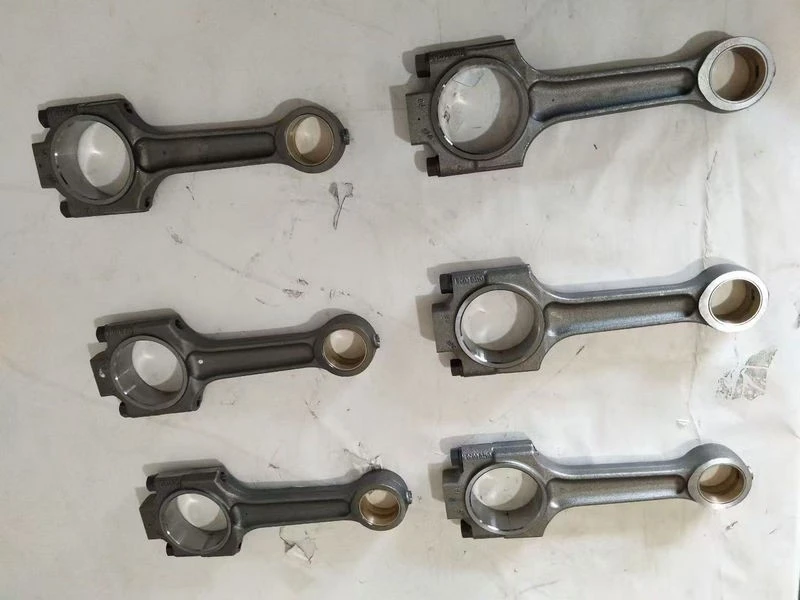
During the visual inspection, pay close attention to the condition of the Excavator Connecting Rod. The connecting rods connect the pistons to the crankshaft, and any problems with them can affect the operation of the crankshaft. Look for signs of bending, cracking, or excessive wear on the connecting rods and their bearings.
Measuring Crankshaft Dimensions
After the visual inspection, the next step is to measure the dimensions of the crankshaft. This requires the use of precision measuring tools, such as micrometers and dial indicators. Measure the diameter of the crankshaft journals at multiple points to check for taper and out - of - roundness. A taper or out - of - roundness beyond the manufacturer's specifications can cause problems with the crankshaft bearings and lead to premature wear.
Measure the end - play of the crankshaft, which is the amount of axial movement allowed. Excessive end - play can indicate worn thrust bearings or other issues with the crankshaft installation.
Checking Crankshaft Alignment
Proper alignment of the crankshaft is essential for its smooth operation. Misalignment can cause uneven wear on the bearings and other components, as well as excessive vibration. To check the alignment, use a dial indicator to measure the runout of the crankshaft. The runout should be within the manufacturer's specified limits.
If the crankshaft is found to be misaligned, it may be necessary to check the Excavator Engine Cylinder Block for any signs of damage or distortion. A damaged cylinder block can cause the crankshaft to be misaligned, and it may need to be repaired or replaced.
Analyzing Oil Samples
Oil analysis can provide valuable information about the condition of the crankshaft and other engine components. Take an oil sample from the engine and send it to a laboratory for analysis. The laboratory will test the oil for the presence of metal particles, which can indicate wear on the crankshaft and bearings.
High levels of iron particles in the oil may suggest wear on the crankshaft, while other metals such as copper or aluminum can indicate problems with the bearings. The oil analysis can also provide information about the viscosity and contamination levels of the oil, which can affect the performance of the engine.
Testing the Engine's Performance
Finally, test the engine's performance to confirm the diagnosis. This can involve running the engine under different loads and speeds and monitoring its performance. Pay attention to the engine's power output, fuel consumption, and exhaust emissions.
If the engine is experiencing a loss of power or other performance issues, and the previous diagnostic steps have indicated a problem with the crankshaft, it is likely that the crankshaft needs to be repaired or replaced.
Importance of Timely Diagnosis and Repair
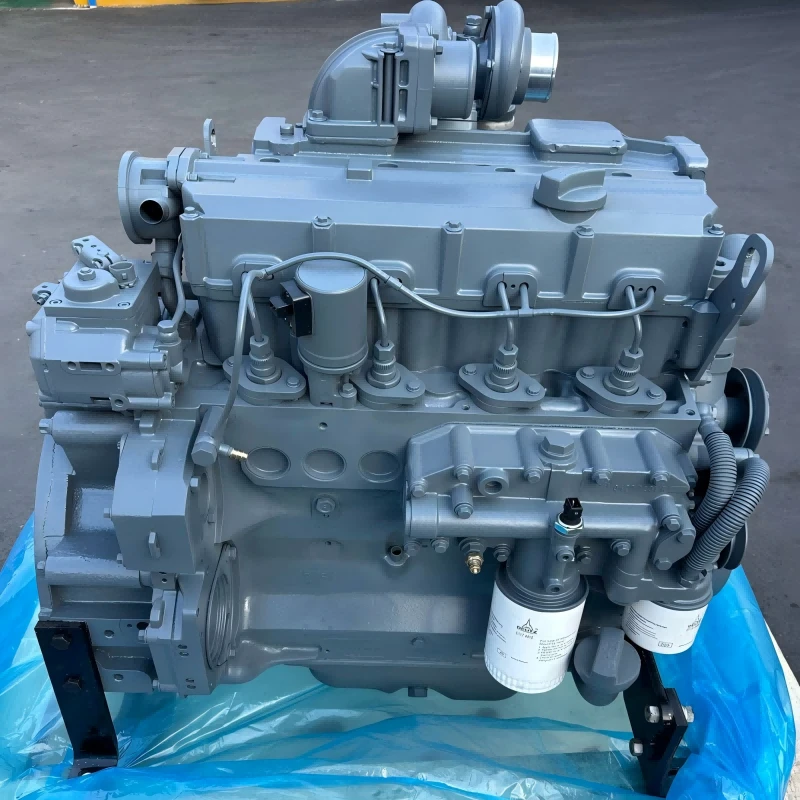
Timely diagnosis and repair of crankshaft problems are crucial for the longevity and performance of the excavator engine. Ignoring the symptoms of a crankshaft issue can lead to further damage to the engine, including damage to the Excavator Cylinder Head and Excavator Engine Assembly.
A damaged crankshaft can cause the engine to seize, which can result in costly repairs or even the need to replace the entire engine. By diagnosing and repairing the crankshaft problem early, you can avoid these expensive repairs and keep your excavator running smoothly.
Sourcing Quality Excavator Engine Crankshafts
As a supplier of high - quality Excavator Engine Crankshaft, I can provide you with the components you need to keep your excavator in top condition. Our crankshafts are manufactured to the highest standards, using premium materials and advanced manufacturing techniques.
If you are experiencing problems with your excavator engine crankshaft, or if you are looking to replace a worn - out component, I encourage you to contact me for a consultation. We can discuss your specific needs and provide you with the right solution for your excavator.
Conclusion
Diagnosing problems with an excavator engine crankshaft requires a combination of knowledge, experience, and the right tools. By being aware of the common symptoms, following a systematic diagnostic process, and taking timely action, you can ensure the smooth operation of your excavator and avoid costly repairs.
If you have any questions or need further assistance with diagnosing or replacing an excavator engine crankshaft, don't hesitate to reach out. I'm here to help you keep your excavator running at its best.
References
- Automotive Engine Repair Manuals
- Manufacturer's Technical Documentation for Excavator Engines
- Industry Publications on Heavy Equipment Maintenance