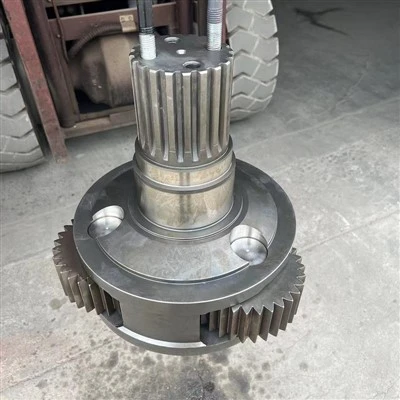
An excavator is a heavy - duty construction machine widely used in various construction projects, such as building roads, digging foundations, and mining. The engine fuel pump of an excavator plays a crucial role in its operation. As a professional Excavator Engine Fuel Pump supplier, I will delve into the power consumption of an excavator engine fuel pump in this blog post.
Understanding the Role of the Excavator Engine Fuel Pump
Before discussing power consumption, it's essential to understand what the excavator engine fuel pump does. The fuel pump is responsible for delivering fuel from the fuel tank to the engine's combustion chambers. It needs to provide the right amount of fuel at the correct pressure to ensure the engine runs smoothly and efficiently.
The operation of the fuel pump is closely related to the engine's performance. If the fuel pump fails to supply enough fuel or provides it at the wrong pressure, the engine may experience issues such as misfiring, reduced power output, or even stalling. Therefore, a well - functioning fuel pump is vital for an excavator's productivity.
Factors Affecting the Power Consumption of an Excavator Engine Fuel Pump
1. Engine Size and Power
Larger excavator engines typically require more fuel to operate. As a result, the fuel pump needs to work harder to deliver the necessary amount of fuel. For example, a small - sized excavator with a 50 - horsepower engine may have a fuel pump with relatively low power consumption compared to a large - scale excavator with a 500 - horsepower engine. The latter's fuel pump has to handle a much higher volume of fuel, which generally leads to increased power consumption.
2. Fuel Pressure Requirements
The pressure at which the fuel needs to be delivered to the engine also affects the power consumption of the fuel pump. High - pressure fuel injection systems, which are common in modern excavator engines for better combustion efficiency, demand more energy from the fuel pump. The fuel pump has to generate and maintain the required high pressure, and this process consumes additional power.
3. Operating Conditions
The working environment of the excavator can have a significant impact on the fuel pump's power consumption. In harsh conditions such as extreme temperatures, high altitudes, or heavy - load operations, the engine may require more fuel to maintain its performance. The fuel pump then has to increase its output, leading to higher power consumption.
For instance, at high altitudes, the air density is lower, which means the engine needs more fuel to achieve the same power output. The fuel pump has to pump more fuel to meet this demand, thus consuming more power.
Measuring the Power Consumption of an Excavator Engine Fuel Pump
Measuring the exact power consumption of an excavator engine fuel pump can be a complex task. It usually involves the use of specialized equipment and techniques.
One way to estimate the power consumption is by measuring the electrical power input to the fuel pump if it is an electrically - driven pump. For mechanical fuel pumps, the power consumption can be inferred from the engine's overall fuel consumption and the pump's efficiency.
However, it's important to note that the power consumption of the fuel pump is also affected by its efficiency. A more efficient fuel pump will consume less power to deliver the same amount of fuel at the required pressure. As a [Your Position in the Company] at an Excavator Engine Fuel Pump supplier, we focus on providing high - efficiency fuel pumps to our customers to reduce their operating costs.
Comparison with Other Excavator Engine Components
When considering the overall power consumption of an excavator, it's interesting to compare the fuel pump with other engine components.
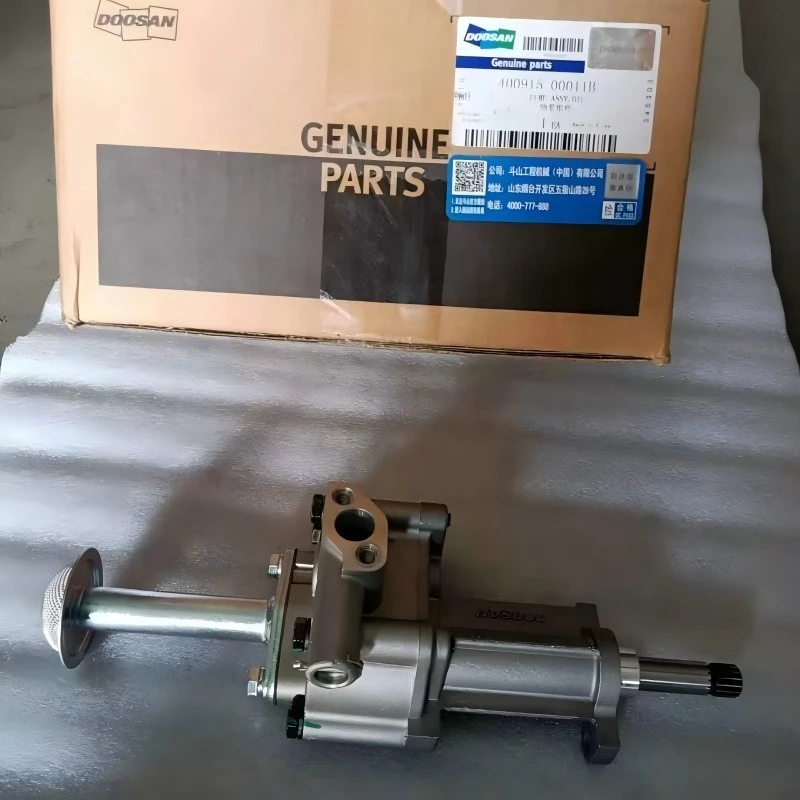
The Excavator Oil Pump is responsible for circulating oil throughout the engine to lubricate moving parts. While it is an essential component, its power consumption is generally lower than that of the fuel pump. This is because the oil pump mainly needs to overcome the resistance of the oil flow in the engine's lubrication system, which is relatively less demanding compared to the task of delivering fuel at high pressure.
The Excavator Starter is used to start the engine. It consumes a significant amount of power during the starting process, but this is a short - term event. Once the engine is running, the starter is no longer in use. In contrast, the fuel pump operates continuously as long as the engine is running, so its cumulative power consumption over time can be substantial.
The Excavator Engine Alternator is responsible for generating electrical power to charge the battery and power the electrical systems of the excavator. Its power consumption is related to the electrical load of the machine, such as lights, sensors, and control systems. The fuel pump and the alternator both consume power from the engine, but their functions are different.
The Excavator Engine Turbocharger uses exhaust gases to compress the intake air, increasing the engine's power output. Although the turbocharger can improve the engine's efficiency, it also has an impact on the engine's overall performance and fuel consumption, which indirectly affects the fuel pump's power consumption.

Importance of Low - Power - Consumption Fuel Pumps
In today's construction industry, cost - effectiveness and environmental friendliness are of great importance. A low - power - consumption fuel pump can bring several benefits.
Firstly, it can reduce the operating costs of the excavator. Since the fuel pump consumes less power, less fuel is needed to run the pump, which in turn lowers the overall fuel consumption of the excavator. This can result in significant savings for construction companies over the long term.
Secondly, lower power consumption is also beneficial for the environment. Less fuel consumption means fewer emissions, which helps to reduce the excavator's carbon footprint. As a responsible Excavator Engine Fuel Pump supplier, we are committed to developing and providing fuel pumps that are both efficient and environmentally friendly.
How Our Excavator Engine Fuel Pumps Stand Out
As an Excavator Engine Fuel Pump supplier, we take pride in our products. Our fuel pumps are designed with advanced technology to ensure high efficiency and low power consumption.
We use high - quality materials in the manufacturing process, which not only improves the durability of the fuel pumps but also enhances their performance. Our R & D team is constantly working on improving the design of the fuel pumps to meet the changing needs of the market and the requirements of our customers.
We also provide comprehensive after - sales service. Our technical experts are always ready to offer support and advice to our customers, ensuring that their excavators can operate smoothly with our fuel pumps.
Conclusion
The power consumption of an excavator engine fuel pump is influenced by various factors, including engine size, fuel pressure requirements, and operating conditions. Measuring this power consumption accurately can be challenging, but it is an important aspect to consider for the overall efficiency of the excavator.
Compared to other excavator engine components, the fuel pump has a unique role and power consumption pattern. Low - power - consumption fuel pumps are highly desirable in the construction industry due to their cost - saving and environmental benefits.
As a leading Excavator Engine Fuel Pump supplier, we are dedicated to providing high - quality, efficient fuel pumps to our customers. If you are interested in our products or have any questions about excavator engine fuel pumps, please feel free to contact us for further discussion and potential procurement.
References
- Construction Machinery Handbook, various editions
- Technical papers on excavator engine performance and fuel systems from industry conferences